When people ask me, “What happens to Uluru when it rains?” I tell them straight: it’s one of the most amazing sights in the Red Centre, and it’s got nothing to do with glossy brochures. The Rock comes alive, waterfalls tumble down its ancient sandstone formations, and the desert air smells like the first page of a storybook after a storm. I’ve stood there with water dripping off my hat brim, watching water flowing in sheets over the rust-coloured face, and it felt like Uluru was breathing.
I’m Paul Beames — I’ve driven, walked and occasionally slogged through the Red Centre more times than I can count. In this yarn, I’ll give you the low down on rain protection, travel insurance and why a wet Uluru might just turn your trip — whether it’s a 4 day Uluru tour or a quick stop on a bigger circuit — into the kind of story you’ll be telling for years.
Contents
- 1 Why Rain is a Rare Gift in the Red Centre
- 2 Waterfalls on the Rock
- 3 Colours That Change Before Your Eyes
- 4 How the Desert Smells After Rain
- 5 Wildlife Stirring After the Storm
- 6 Planning Your Trip Around Wet Season Odds
- 7 Checklist: What to Pack for Wet Weather
- 8 Local Guidance and Cultural Respect
- 9 Comparing Wet and Dry: A Handy Table
- 10 Beauty Trends vs Travel Trends in 2025
- 11 Safety When Roads Get Wet
- 12 Story From the Road: My Rainy Uluru Memory
- 13 Final Thoughts: Take the Rain as a Bonus
- 14 FAQ
Why Rain is a Rare Gift in the Red Centre
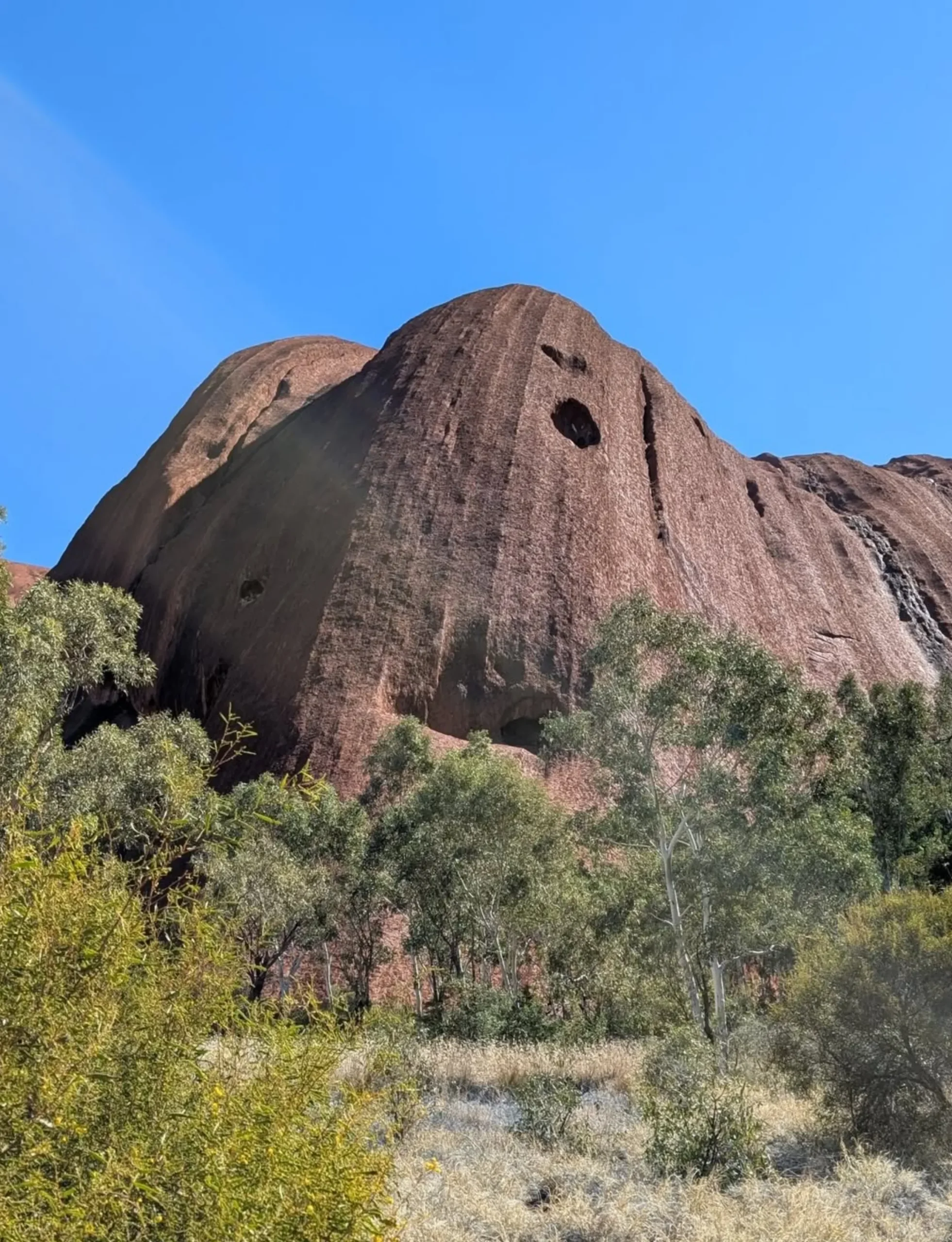
Rain in Central Australia is like a long-lost cousin showing up at Christmas — rare, surprising and guaranteed to shake things up. Uluru only gets a handful of decent downpours each year, usually between November and March. That’s the Australian summer wet season when rain clouds drift inland and the weather gods decide to put on a show.
Average annual rainfall at Yulara (the resort hub near Uluru): 308 mm
Rainy days per year: about 52
Odds of a real waterfall-making deluge: slim but unforgettable
That’s why many travellers on Uluru tours consider themselves lucky if they see even one downpour.
Waterfalls on the Rock
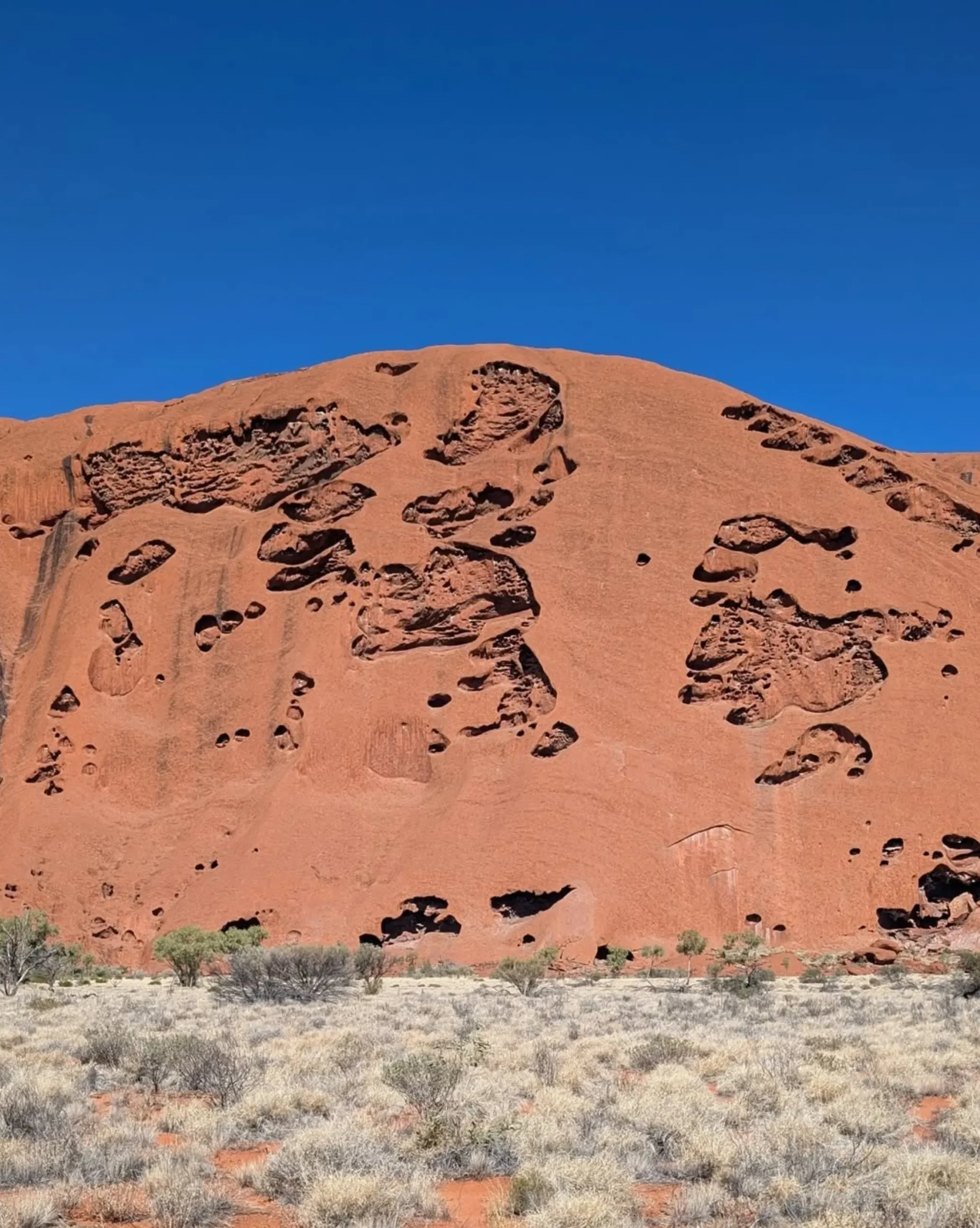
When rain pours down, Uluru becomes a natural water park. Dozens of waterfalls cascade off the steep faces, flowing over sandstone formations and splashing into gullies. Some flows last only minutes, others roar for hours.
The water doesn’t hang about — it seeps into the porous rock or funnels into nearby sacred sites like Mutitjulu waterhole. These places are tied to Anangu creation stories and should always be treated with respect. On an Uluru tour from Alice Springs, rangers often explain these connections, reminding travellers that these sites are living parts of Country.
Colours That Change Before Your Eyes
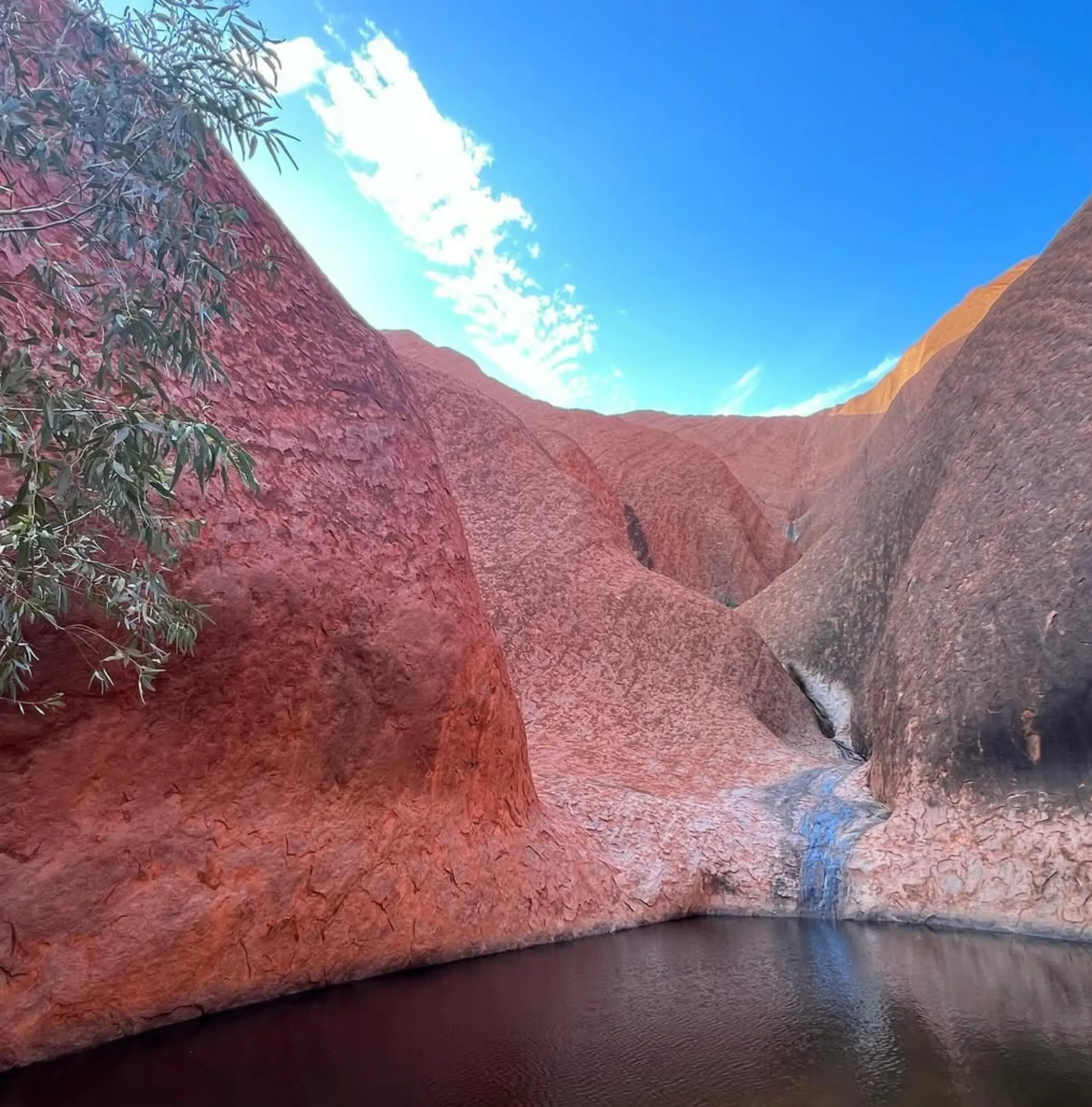
Uluru’s colours are legendary at sunrise and sunset, but rain takes it to another level. The Rock turns deep plum, chocolate brown and even jet black as water flowing down its face streaks into dark rivers. The contrast against heavy rain clouds makes for some of the best photos you’ll ever take.
If you’re into photography, bring your camera gear and maybe even sign up for a local photo workshop. I’ve seen travellers leave with shots so good they ended up as framed art prints back home. Wayoutback Tours sometimes bring in a guest speaker to run a workshop during the wet — a clever way to rate the tour experience higher than just sightseeing.
How the Desert Smells After Rain
If you’ve never smelled the desert after a downpour, you’re in for a treat. Rain releases oils from desert plants — mulga, spinifex, eucalyptus — creating a perfume no chemist could bottle.
Strongest scent: spinifex oils warmed by humidity
Sweet undertone: desert grevillea blooming after storms
Bonus whiff: earthy petrichor when drops hit baked ground
Moments like this remind you that rain protection is about more than staying dry — it’s about slowing down and soaking it all in.
Wildlife Stirring After the Storm
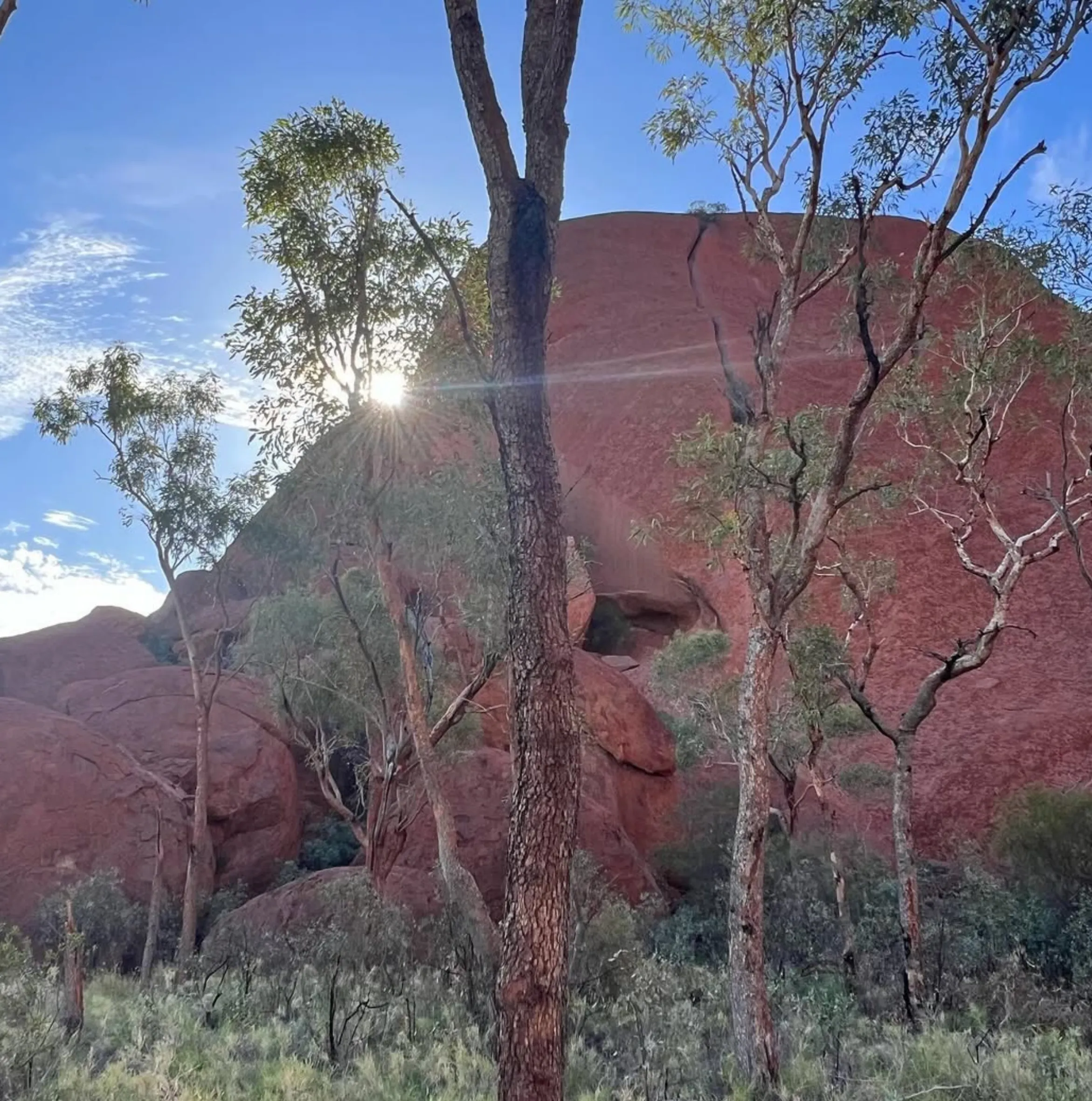
Rain brings the desert alive. Frogs appear from nowhere, reptiles get busy, and birdlife flocks to temporary pools. Even dingoes slink closer to the resort edge, curious about scraps.
For photographers, it’s pure gold. For campers, especially on an Uluru camping tour, it means checking boots before lacing up. Out here, even a frog reckons your shoes are a decent dunny.
Planning Your Trip Around Wet Season Odds
Most travellers pick the dry season (April–October) for predictable conditions, but if waterfalls are your goal, you’ll want to roll the dice in the wet season.
Pros of travelling wet season:
- Chance of waterfalls
- Fewer crowds (your tour bus might even be half-empty)
- Desert plants flowering and greener landscapes
Cons:
- Intense heat (often 40°C+)
- Mozzies in full force
- Risk of road closures
Wildlife Tours often note that summer travellers need to pack extra patience — not just rain coats — since itineraries may shift depending on flooding.
Checklist: What to Pack for Wet Weather
Here’s what I throw in the troopy when rain protection is on my mind:
- Rain coats (proper ones, not flimsy ponchos)
- Quick-dry clothes
- Waterproof cover for camera gear
- Sturdy boots with grip
- Mozzie repellent
- Extra drinking water (humidity tricks you into forgetting)
- Travel insurance that covers road closures and flexible payment status
Local Guidance and Cultural Respect
Uluru is not just a rock; it’s a living place. The Anangu people have strong connections to the waterways and sacred sites formed by rain. When rangers close a track for cultural or safety reasons, don’t argue. Tjukurpa means leave it as you found it — and every Uluru tour will agree.
Comparing Wet and Dry: A Handy Table
| Aspect | Dry Season (Apr–Oct) | Wet Season (Nov–Mar) |
| Temperature | 20–30°C days, cool nights | 35–45°C days, sticky nights |
| Rainfall | Rare, mostly dry | Heavy storms possible |
| Uluru look | Classic red at sunrise/sunset | Dark streaks, waterfalls |
| Wildlife activity | Easier to spot roos & dingoes | Frogs, lizards, and birdlife explode |
| Traveller numbers | High — packed like sardines | Low — more space to yourself |
| Road access | Reliable | Floods can block highways |
Beauty Trends vs Travel Trends in 2025
Weird link, but hear me out. In 2025, beauty trend data shows a spike in “natural hydration” products using extracts from desert plants like spinifex and wattle seed. Global search for “desert botanicals” jumped 42%, while Aussie skincare exports rose 18%.
So while you’re gazing at water flowing off Uluru, the same desert resilience is in your moisturiser at home. Funny how worlds collide.
Safety When Roads Get Wet
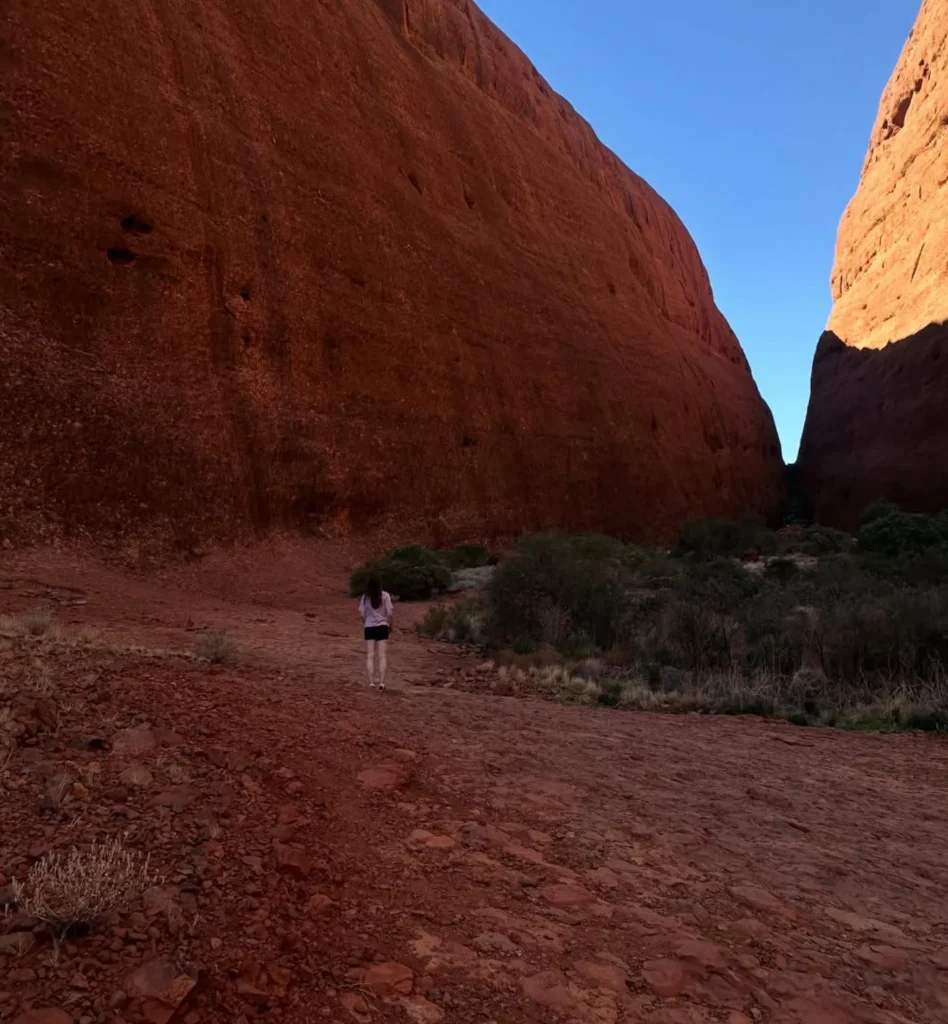
Storms can close the Lasseter Highway or cause flash floods across causeways. I’ve seen more than one impatient driver try their luck — and get bogged to the axles.
- Always check NT road reports
- Never cross flooded causeways
- Carry extra fuel for detours
- Keep your payment status and booking details handy if the tours are rescheduled
Travel insurance is worth its weight in gold here.
Story From the Road: My Rainy Uluru Memory
One January, a group I was guiding pulled up at Mala carpark just as rain clouds burst. Within 15 minutes, waterfalls were streaking down the Rock. Cameras came out, rain coats appeared, and no one cared about wet boots. That night around the fire I asked them to rate the tour and most said the rain was the highlight.
It doesn’t matter if you’re on a 4-day Uluru tour, an Uluru camping tour or just a quick Uluru tour from Alice Springs — when the weather gods flip the switch you’ll never forget it.
Final Thoughts: Take the Rain as a Bonus
So what happens to Uluru when it rains? The Rock changes character. Water flowing off sandstone formations, desert plants sprouting, and rain clouds on the summit make it special.
Take it as a bonus. With the right gear, respect for sacred sites and travel insurance, you’ll have stories to top any postcard.
Got a rain story at Uluru? Leave a comment and I’ll add to my notes. And if you’re planning a Red Centre trip with Autopia Tours, just remember the Rock has its own schedule.
FAQ
How often do waterfalls occur at Uluru?
Only a few times a wet season when it rains heavily.
Can you swim in the waterholes at Uluru?
No — many are sacred sites. Look, learn, respect, but don’t enter.
What’s the best time to see rain at Uluru?
January–March, but it’s hot and stormy — pack rain gear.
Will tours still run if it rains?
Most Uluru tours continue, but some walks may close. Operators may bring in a guest speaker or adjust itineraries.
Is it worth visiting Uluru in summer?
Yes, if you’re prepared for extreme heat and mozzies. The payoff is waterfalls, fresh desert plants and amazing photos.