Planning a snow trip in Australia can be a real treat whether you’re heading to Perisher, Thredbo or Falls Creek. To make sure you have a smooth and enjoyable trip it’s essential you pack the right snow gear and prepare for the cold conditions. Whether you’re a beginner or an experienced adventurer this guide has everything you need for the ultimate skiing experience in Australia’s alpine environment.
Contents
1. Snow Clothing
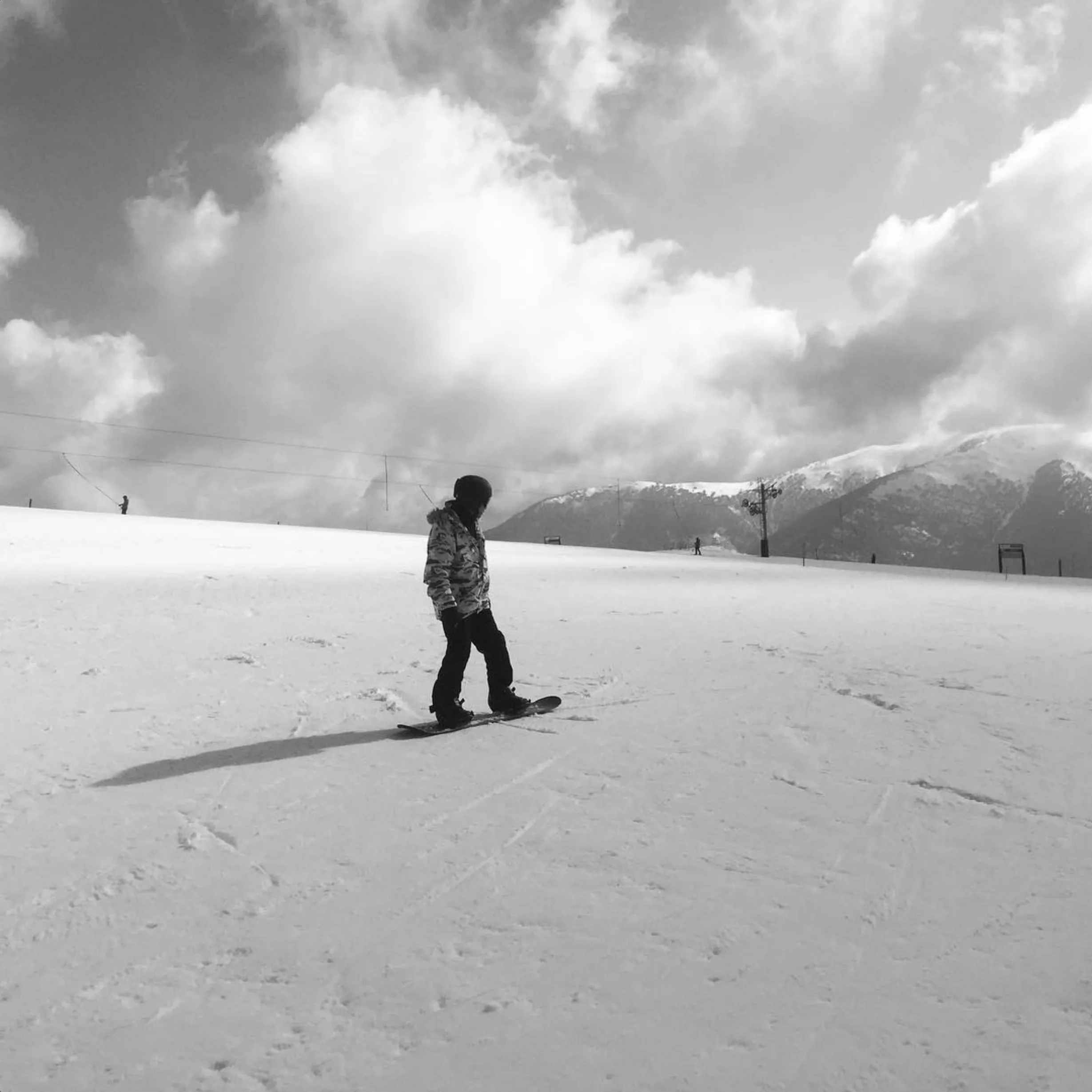
Staying warm and dry is key to having fun skiing. Here are the must-haves:
- Thermal Base Layers: A good set of moisture-wicking thermal tops and bottoms to keep your body warm.
- Waterproof Outerwear: Invest in a high-quality ski jacket and snow pants that are waterproof and windproof.
- Mid-Layers: A fleece or puffy jacket provides extra warmth between your base layer and outerwear.
- Gloves or Mittens: Waterproof and insulatewinter seasond gloves are a must against frostbite.
- Socks: Thick moisture-wicking wool or synthetic socks to keep your feet warm and dry.
- Headwear: A beanie or balaclava to retain body heat, and a helmet is necessary for skiing or snowboarding.
- Snow Boots: If you’re not wearing ski boots waterproof snow boots with good grip are a game changer.
2. Ski or Snowboard Equipment
If you’re hitting the slopes you’ll need the right snow gear:
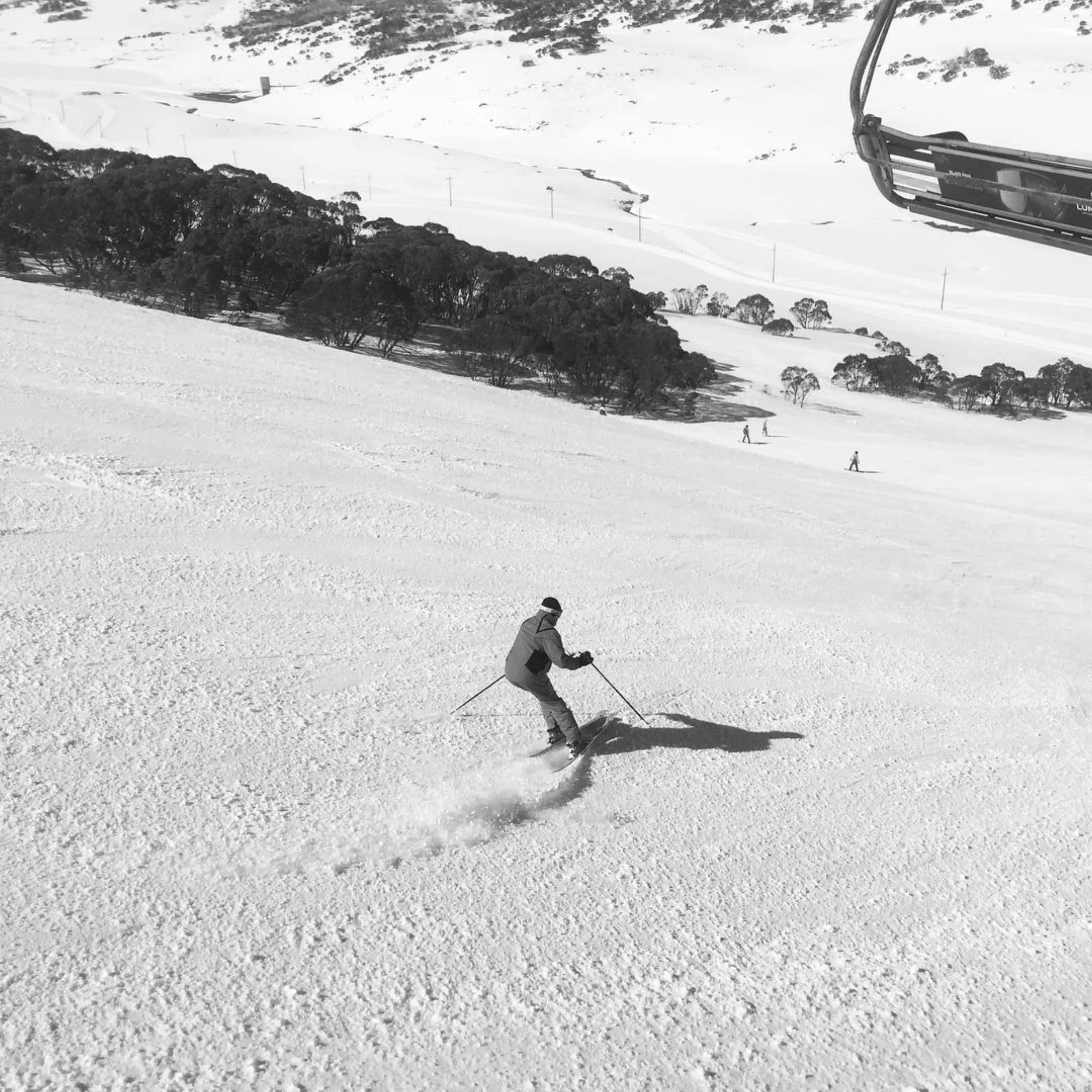
- Skis, Snowboard or Snowshoes: You can rent these at most resorts if you don’t own them.
- Poles: Essential for skiers to help with balance and movement.
- Helmet & Goggles: Safety first—always wear a helmet and goggles for protection against falls and glare.
- Bindings & Boots: Make sure they fit properly to avoid discomfort and injury.
- Cross-Country Skiing Equipment: If you’re doing backcountry lessons or cross-country skiing proper gear is essential.
- Mountain Lift Access: If you’re skiing or snowboarding make sure you have easy access to skiing at your chosen resort.
- Snow Chains: Essential for safe travel especially when roads are icy.
3. Snow Trip Extras
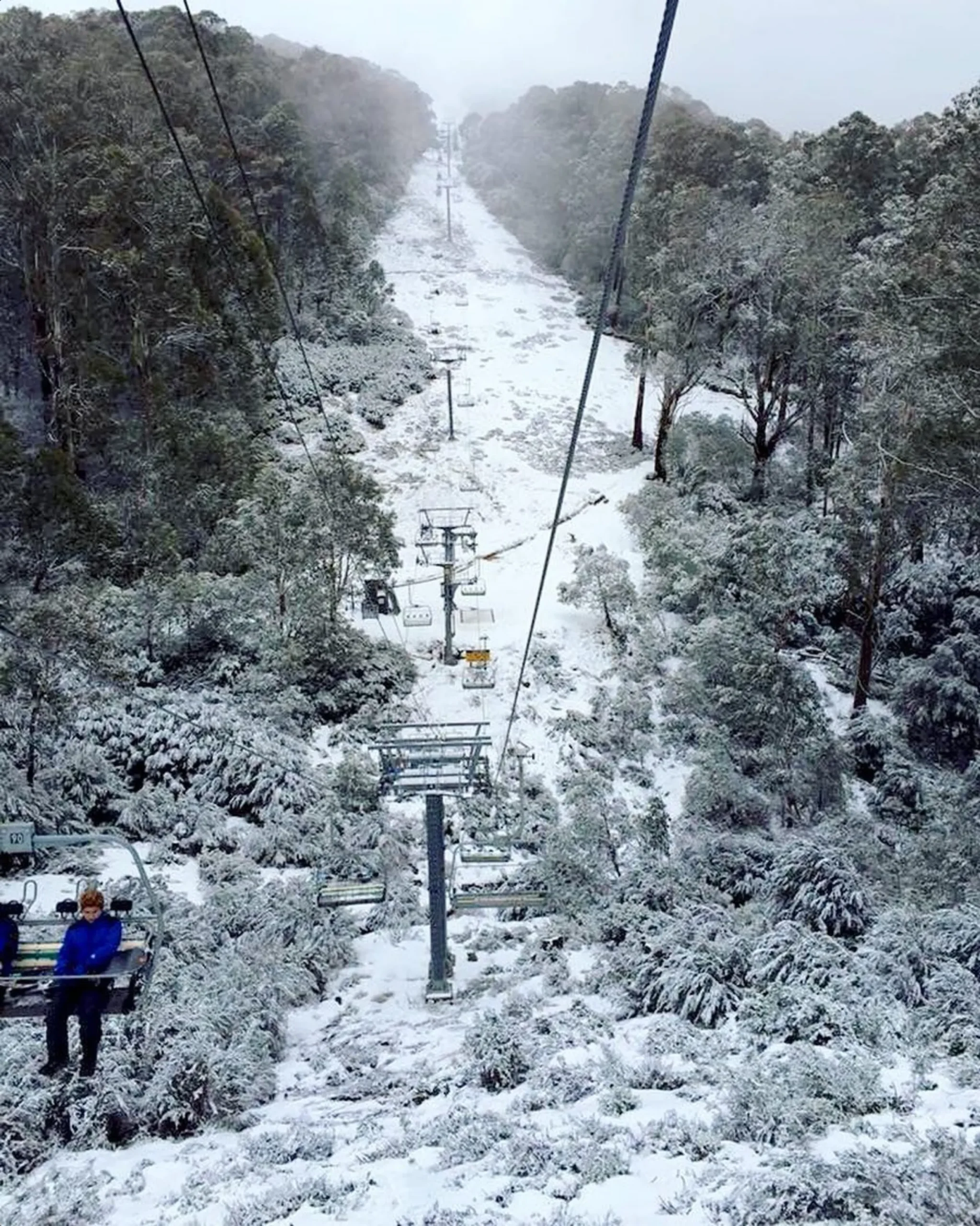
These will make your winter season more convenient and enjoyable:
- Sunscreen & Lip Balm: The sun reflects off the snow increasing the risk of sunburn.
- Hand & Foot Warmers: Great for extra protection on extremely cold days.* Backpack: For snacks, water and extra clothing.
- Camera or GoPro: For the keen photographer.
- Reusable Water Bottle: Stay hydrated.
- Star Gazers Kit: The night sky is breathtaking.
- Events Calendar: Check what’s on during your visit.
4. Travel and Accommodation Essentials
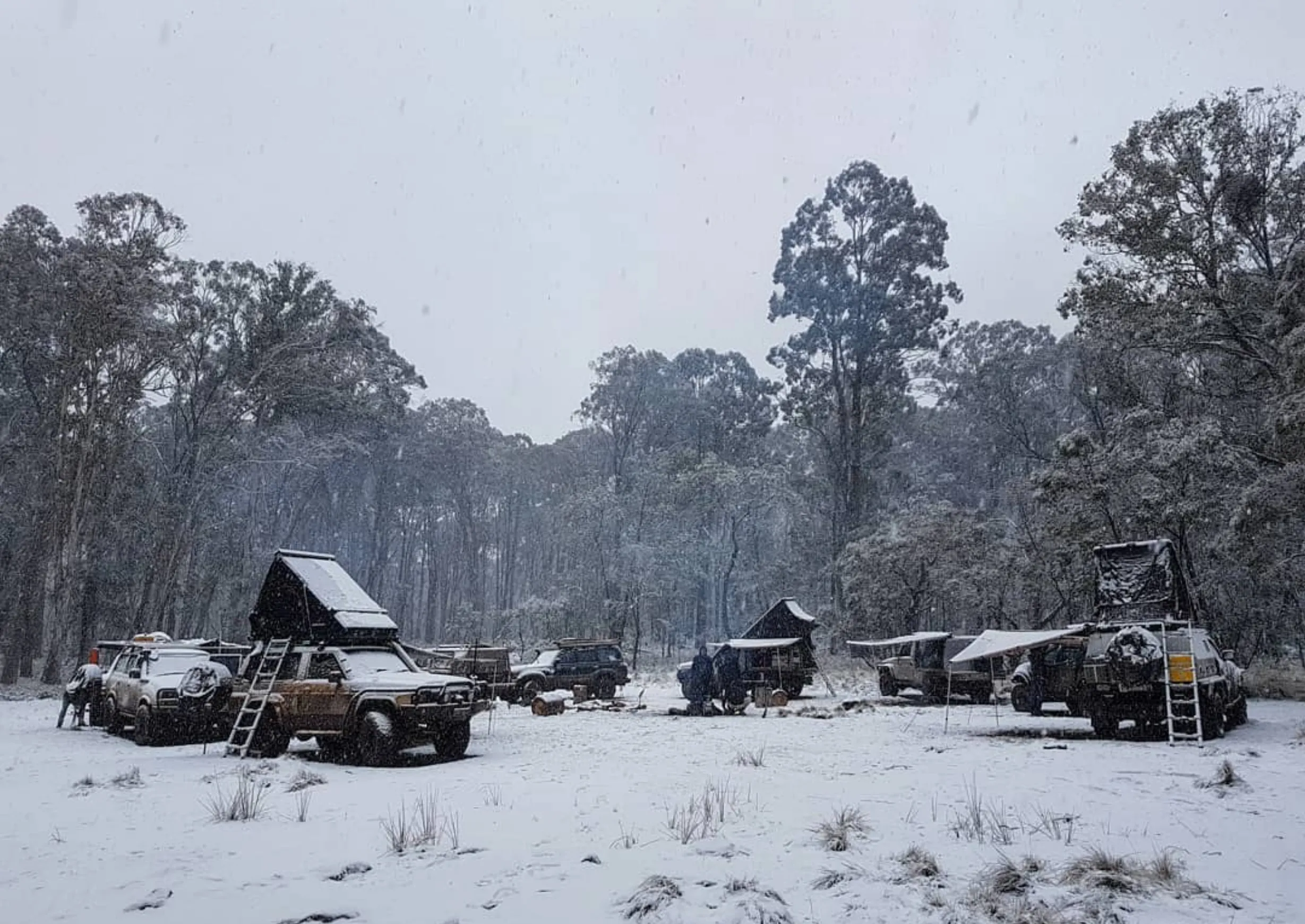
- Snow Chains for Your Car: Some snowfields require snow chains for driving.
- Accommodation Booking: Resorts and lodges book up quickly especially during school holidays so book in advance.
- Lift Passes & Equipment Rentals: Pre-booking mountain lift access will save you time and money.
- Travel Insurance: Covers accidents or trip cancellations.
- First Aid Kit: Good to have for minor injuries or ailments.
- Friendly Staff Assistance: Resorts have staff to help with gear rentals and advice.
5. Food and Snacks for Energy
- High-Energy Snacks: Nuts, granola bars, and chocolate for quick energy on ski days.
- Hot Drinks: Bring a thermos for tea, coffee or hot chocolate.
- Meal Plan: Check if your accommodation includes meals or if you need to bring food.
- Tastiest Weekend Treats: Resorts have plenty of bars and restaurants for a jam-packed weekend of winter fun.
6. Winter Activities Beyond Skiing
If you’re not skiing or snowboarding there’s still heaps of soft adventure activities to do:
- Hiking Enthusiast Trails: Find the level of hiking suited to your experience in the alpine environment.
- Bouldering Wall & Indoor Sports Hall: Many resorts have indoor sports facilities.
- Trampoline Sessions: Great for families or a day trip alternative.
- Downhill Tracks & Mountain Bike Riding: Mountain bikers can find trails that are open in winter.
- Heated Pool & Spa: After a long day in the cold relax in a heated pool for the ultimate skiing recovery.
- Variety of Lessons: 1-hour group lessons, beginner lessons, backcountry lessons, there’s something for every level.
- Winter Wonderland Exploration: Join a guided snow tour to experience a true winter wonderland.
- Ultimate Skiing Challenges: Try different difficulty levels for a fun and challenging experience.
- Range of Activities: Non-skiers can do ice skating, tubing and more.
With the right gear and preparation your Melbourne snow trip can be a magical experience with stunning views, plenty of activities and friendly staff, so stay warm, stay safe and have fun!
FAQ
When is the best time to see snow in Australia?
The snow season in Australia runs from June to September, peak is July and August. That’s when you’ll find the best skiing conditions.
Can I rent equipment instead of buying it?
Yes, most ski resorts offer skis, snowboards, snow boots and clothes for rent.
Do I need snow chains for my car?
If you’re driving to the snow some alpine areas require snow chains, especially if it’s icy or snowy.
How cold does it get in the Australian snowfields?
It can get as low as -5°C or colder, especially at night so dress in warm layers and bring fresh gloves or socks.
Do I need travel insurance for a snow trip?
Yes, travel insurance is recommended as it covers injuries, cancellations and damage to rental equipment.