Writing: What are the don’ts of using retinol? It always brings back memories of moments in the treatment room where a client will say to me: “I used retinol once… and instantly regretted it.” And honestly, it happens weekly, even to people who treat themselves to the best facials in Brisbane, because retinol is a powerful but pretty misunderstood ingredient. If you’ve ever had to deal with redness, peeling, or the infamous retinol uglies, just know you’re not alone – and more importantly, you’re not doing anything wrong.
I’m Sevine Forster, founder of The Facial Hub. With almost twenty years of treating real skin at The Facial Hub skin clinic, I have some idea of how retinol behaves in different people, at different ages, and with different sensitivities. Retinol can be a game-changer, especially when you pair it with skin barrier repair facials at The Facial Hub, but you’ve got to be careful how you go about it.
Contents
- 1 Starting Too Strong, Too Fast
- 2 Precautions Around Damp Skin and Exfoliation
- 3 Why Mixing Too Many Actives Causes Problems
- 4 Common No-Go Combinations
- 5 Nightly Use Before Your Skin Is Ready
- 6 Sun Protection Is Non-Negotiable
- 7 Avoiding Delicate Areas
- 8 Listening to Your Skin’s Early Warnings
- 9 When to Press Pause
- 10 Pairing Vitamin A With Hydration and Barrier Care
- 11 Expecting Overnight Results
- 12 When Medical Guidance Is Needed
- 13 A Gentle Approach Leads to the Best Results
- 14 FAQ
Starting Too Strong, Too Fast
The thing I see a lot is that people dive straight into retinol without thinking it through. But retinol – especially vitamin A derivatives like retinyl palmitate or retinoic acid – should be introduced gently, you know, to protect that all-important skin barrier and keep your skin cell turnover in check. Even my regular clients who come in for relaxing facials at The Facial Hub sometimes assume that “stronger is better“, when really the best way is to start slow and build up gradually to prevent irritation.
Taking it easy means less redness and dryness, and more time for your skin to adapt to retinol before you see benefits in pigmentation, texture, and fine lines.
Precautions Around Damp Skin and Exfoliation
Using vitamin A on damp skin increases product penetration, which can increase the risk of irritation. Applying it after surface exfoliation with AHAs, BHAs, glycolic acid, salicylic acid, or other exfoliating products can increase the risk of a mild chemical burn.
Clients who enjoy skin rejuvenation treatments at The Facial Hub often learn that timing matters as much as technique.
Why Mixing Too Many Actives Causes Problems
TikTok might make it look like you can just chuck every bit of skincare you own into a single routine, but trust me, it doesn’t work that way.
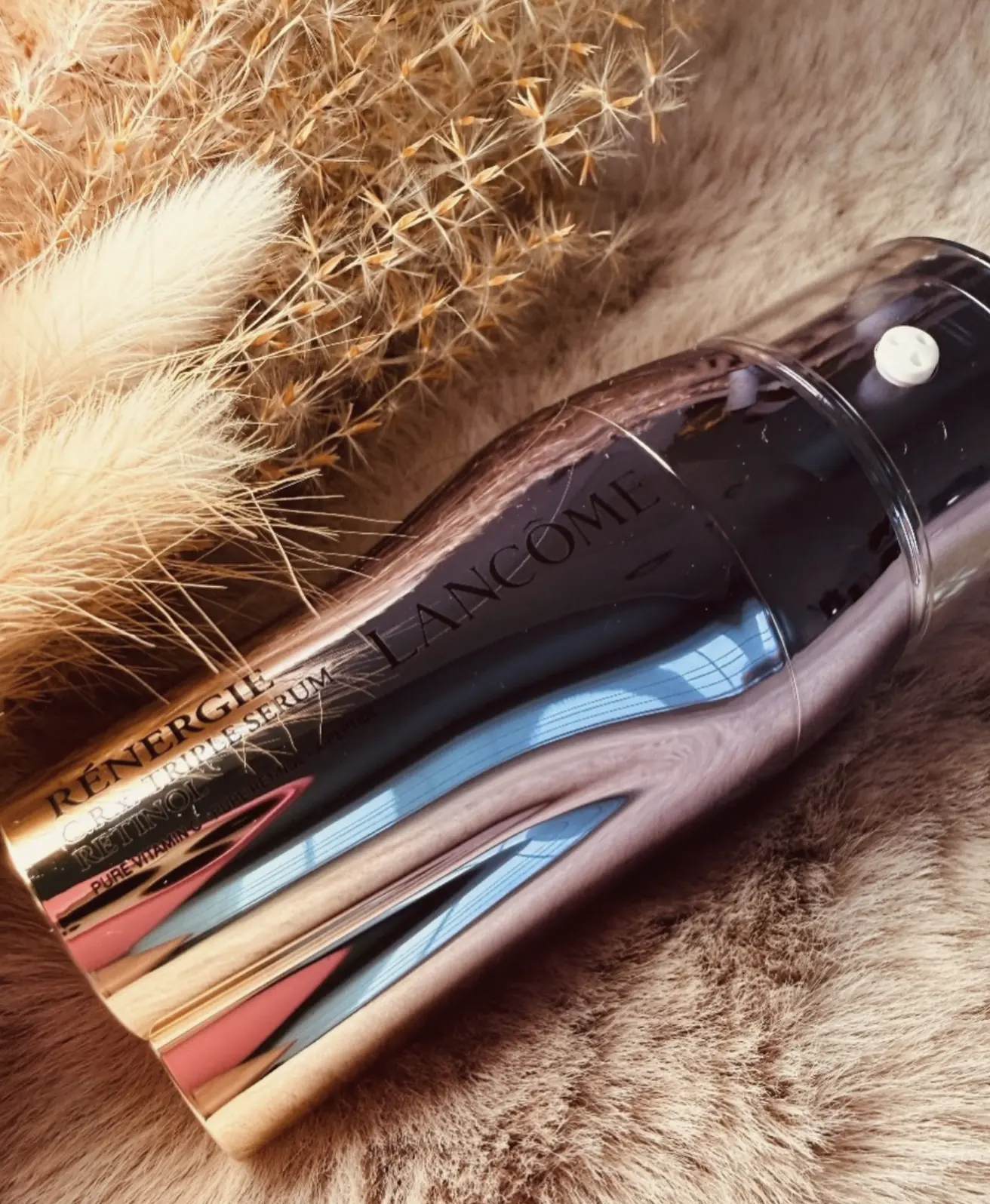
Putting retinol with benzoyl peroxide, strong Vitamin C serum, or acids like glycolic or salicylic acid is just going to overwhelm your stratum corneum. Believe me, I’ve seen the research: in 2026, research showed that when you pair vitamin A with multiple strong actives on the same night, irritation goes through the roof.
Common No-Go Combinations
Starting slow is especially helpful in Brisbane’s climate, where humidity and heat can intensify ingredient penetration.
| Ingredient | Why It Doesn’t Pair With Retinol | Better Timing |
|---|---|---|
| Glycolic Acid | Over-exfoliation + barrier stress | Alternate nights |
| Salicylic Acid | Dryness + irritation | Weekly or alternate nights |
| Vitamin C Serum | pH conflict + stinging | Use in the morning |
| Benzoyl Peroxide | High irritation | Spot treat, not layer |
Your skin will thrive more with simplicity.
Nightly Use Before Your Skin Is Ready
Even the gentler forms — retinyl acetate, retinyl propionate, retinyl palmitate — can irritate if used too frequently. A gradual approach supports healthy cell turnover while reducing the chance of a retinol purge.
Brisbane’s warm climate intensifies
| Week | Frequency | Notes |
|---|---|---|
| 1–2 | Once weekly | Watch for tightness or redness |
| 3–4 | Twice weekly | Try the sandwich method |
| 5–6 | Three times weekly | Maintain deep moisture |
| 7+ | Increase cautiously | Let skin guide you |
Clients who follow this schedule — even those already enjoying the best facials in Brisbane — consistently experience fewer side effects.
Sun Protection Is Non-Negotiable
If there’s one rule you absolutely can’t live with breaking – it’s this:
Retinol + Sun Without SPF = Damage
And without using broad-spectrumbroad-spectrumcan make all the difference in managing dry skin sunscreen (SPF 30+ or higher), you’re undoing all the good work that retinol does.
In short, daily SPF isn’t an option, it’s a must – just like retinol is for anti-aging skin care.
Avoiding Delicate Areas
Your under-eye skin is really thin and super delicate, so – unless you’re using a retinol-specific eye cream, try not to apply product close to this area. The corners of your nose can also get irritated from product buildup – a bit of a surprise even for regulars who come in for facials at The Facial Hub, even if they’re just there to relax.

Listening to Your Skin’s Early Warnings
If your skin is talking to you – especially when using powerful stuff like retinol – it’s worth listening. Burning, over-peeling, persistent redness and breakout clusters are all signs that your skin barrier is under stress.
In cases like that, I often recommend taking a break from retinol and using deeper hydration or booking a skin barrier repair facial at The Facial Hub – we’ve got a special treatment designed to nourish skin that’s been over-stimulated.
When to Press Pause
- You get inflamed hot patches
- Your skin is super dry and rough
- You’re left with lingering discomfort
- You have a sudden reaction to something that used to be fine
Your skin’s trying to tell you something – so, listen up.
Pairing Vitamin A With Hydration and Barrier Care
Retinol isn’t inherently drying – dryness happens when your barrier can’t keep up with the skin cell turnover. Supporting your routine with ceramides, peptides, Vitamin E, and Hyaluronic Acid helps maintain balance.
That’s where the sandwich method comes in handy: moisturiser → retinol → moisturiser. It’s a strategy many of our skin-rejuvenation clients swear by.
And, if you’re one of the lucky ones who gets regular skin rejuvenation treatments at The Facial Hub, you’ll find that retinol is a lot easier to use because your barrier is already strong and resilient.
Expecting Overnight Results
Retinol is powerful stuff – science-backed and really effective at slowing down visible skin aging. But it’s not a quick fix – it’s a marathon. Fine lines, texture, and pigmentation changes can take 6-12 weeks to appear. And, it can take months for collagen shifts to have any noticeable effect.
In the meantime, keeping your routine gentle and enjoying a relaxing facial at The Facial Hub can make all the difference in managing dry skin.

When Medical Guidance Is Needed
Since retinol is a vitamin A derivative, it’s a good idea to consultthem your doctor or dermatologist first to make sure it’s safe for you to use—and back-bur and back-bur. Many people put their retinol use product and try back-bur products that help even out tone or out a good product.
A Gentle Approach Leads to the Best Results
Retinol can work absolute magic on your skin – but only if you use it with a bit of common sense. These “don’ts” aren’t rules; they’re guidelines to help you achieve the best results without irritating your skin. Whether you’re starting from scratch with a new skincare routine or just tweaking your anti-aging routine, keep in mind that consistent skincare is key, and hydration and gentle handling are way more important than gimmicky products.
If you’re unsure about what to do, reach out and see if we can catch up, or swing by The Facial Hub skin clinic for some one-on-one guidance.
Got a question that isn’t covered here? No worries, just let me know, and I’ll do my best to get an update out ASAP.
FAQ
Can retinol actually improve sun damage?
Yes, retinol promotes cell turnover, which means you’ll start to see a reduction in stubborn sun spots and uneven skin tone, especially if you’re using a daily SPF 30 or higher.
Is it normal to break out all over your face when you first start using retinol?
A lot of people experience a bit of a rough patch when they first start with retinol – it’s like your skin is just going through a speedy renewal process and everything is getting flushed out. If this breakout persists after 6-8 weeks, your skincare routine may need a tweak.
Can I even use retinol if I have sensitive skin?
Actually, yes – with a few caveats. If you start slow, use a little moisturiser to help calm things down, and make sure you’re taking care of your skin barrier with some hydrating ingredients, then retinol can be a great option even if your skin is a bit on the sensitive side.
Do I need to be using retinol all year round?
You can, but you might need to make some adjustments to your routine depending on the time of year – especially if you live in a place like Brisbane, where the humidity in the summer can make it harder for products to absorb properly.
When should I apply retinol in my bedtime routine?
With retinol, it’s generally a good idea to apply it when your skin is nice and dry – after you’ve cleansed, before you put on your final moisturiser, unless you’ve got the magic ‘sandwich method‘ going on, which we can talk about another time.