The Great Ocean Road in Australia is one of the most scenic drives in the world, thousands of people drive along it every year. With its stunning coastline, rugged cliffs and lush rainforest, it’s a popular spot for those who want to see incredible views and go camping. This section of the road is full of beautiful beaches, sandy beaches, stunning coastline and picturesque seaside towns, so it’s a great place to stop on a road trip. Many people opt for a Great Ocean Road tour from Melbourne which is a structured way to see the region’s beautiful landscapes without the hassle of planning.
If you’re going to drive this amazing coastal road you might be wondering if you can sleep in your car. While it might seem like a budget friendly and convenient option, there are important rules and considerations to keep in mind before pulling over for the night. Choosing the right accommodation, knowing where the closest campsite is and understanding the overnight parking rules will help you make the most of your adventure. A Great Ocean Road 2-3 day tour is a great option if you want to see the highlights without worrying about accommodation logistics.
Contents
- 1 Is It Legal?
- 2 Where Is It Legal?
- 3 Must See
- 4 Reasons not to sleep in your car
- 5 Tips for a Safe Road Trip
- 6 FAQ
- 6.1 Can I sleep in my car anywhere along the Great Ocean Road?
- 6.2 Are there any free places to sleep in my car along the Great Ocean Road?
- 6.3 What happens if I get caught sleeping in my car illegally?
- 6.4 What are the best legal places to sleep in my car on the Great Ocean Road?
- 6.5 Is it safe to sleep in my car on the Great Ocean Road?
Is It Legal?
Sleeping in your car is not allowed in undesignated areas along the Great Ocean Road. Many towns and local councils have strict rules against overnight parking and wild camping in vehicles outside of designated camping sites or caravan parks. Fines can be given if you’re caught sleeping in your car in unauthorized areas, especially in high-traffic tourist areas and popular spots.
Also many day-visitor car parks do not allow overnight stays, so check the signage before parking.
Where Is It Legal?
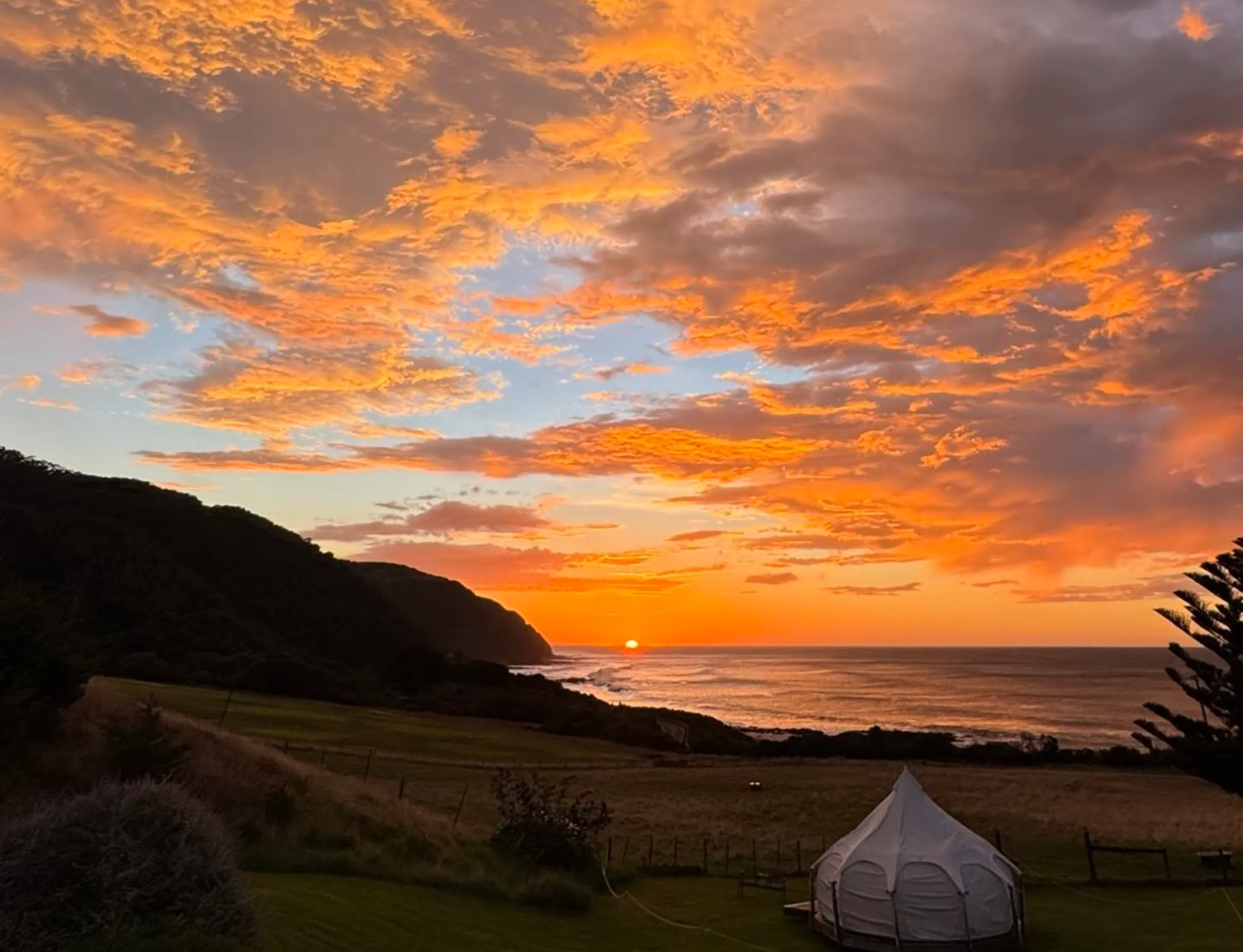
If you’re going to sleep in your vehicle here are some legal and safe options:
- Caravan Parks & Campgrounds – There are many caravan parks and private campgrounds along the Great Ocean Road that have designated areas for campervans and cars. Some popular options include Apollo Bay Holiday Park, Lorne Foreshore Caravan Park and Port Campbell Recreation Reserve. Book ahead of time especially during peak season.
- National Parks & Reserves – Some national parks have campsites where you can park and sleep, but these need to be booked in advance and a small fee applies. These areas usually have access to beautiful beaches, cliff tops, walking tracks and waterfalls.
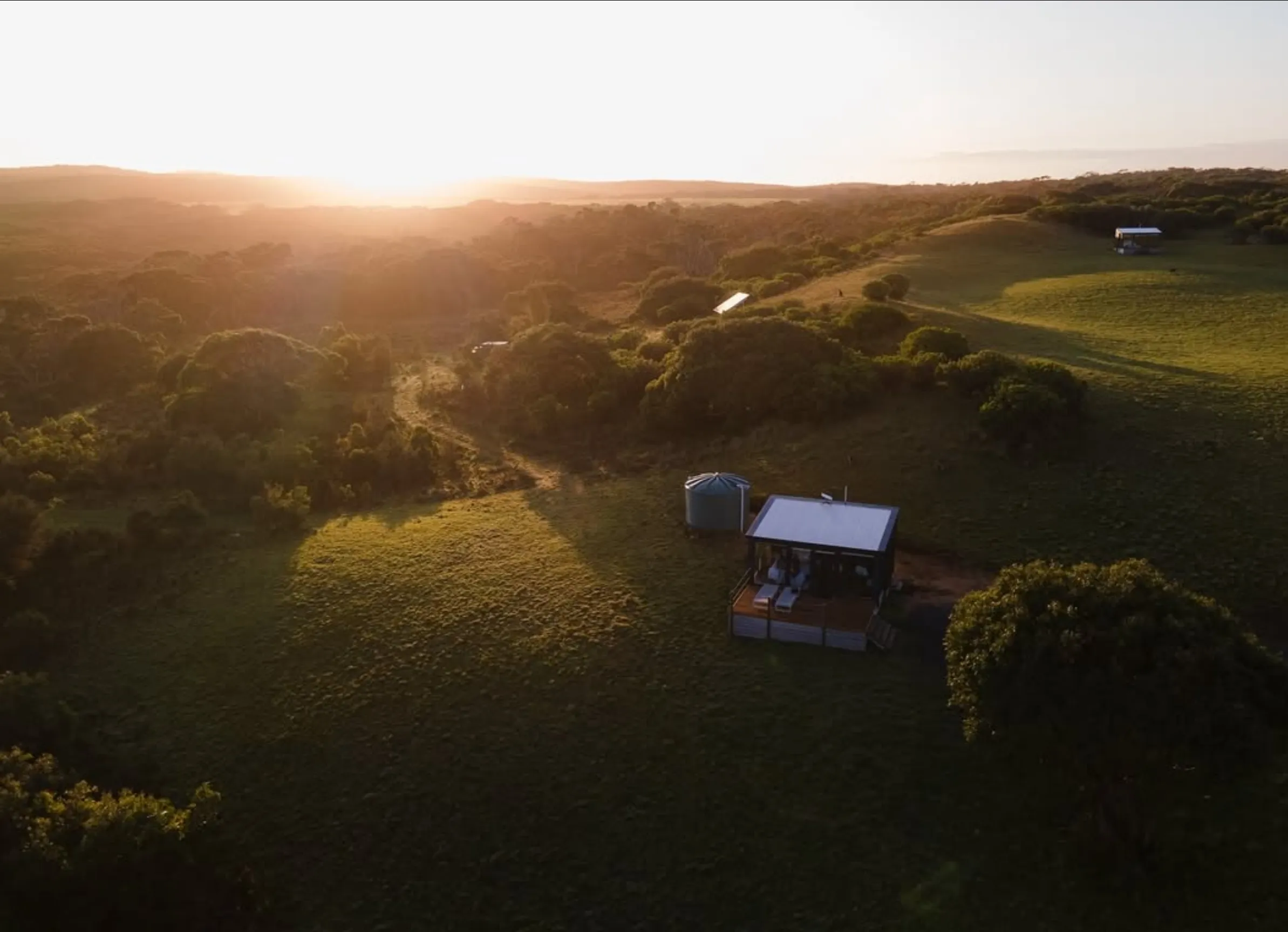
- Private Property (with Permission) – Some landowners offer paid or free spots for travelers, such as farm stays or Airbnb-style camping, a different type of camping experience.
- Public Parking Areas (Where Permitted) – Some public parking areas may allow overnight parking, always check local rules before parking for the night.
Must See
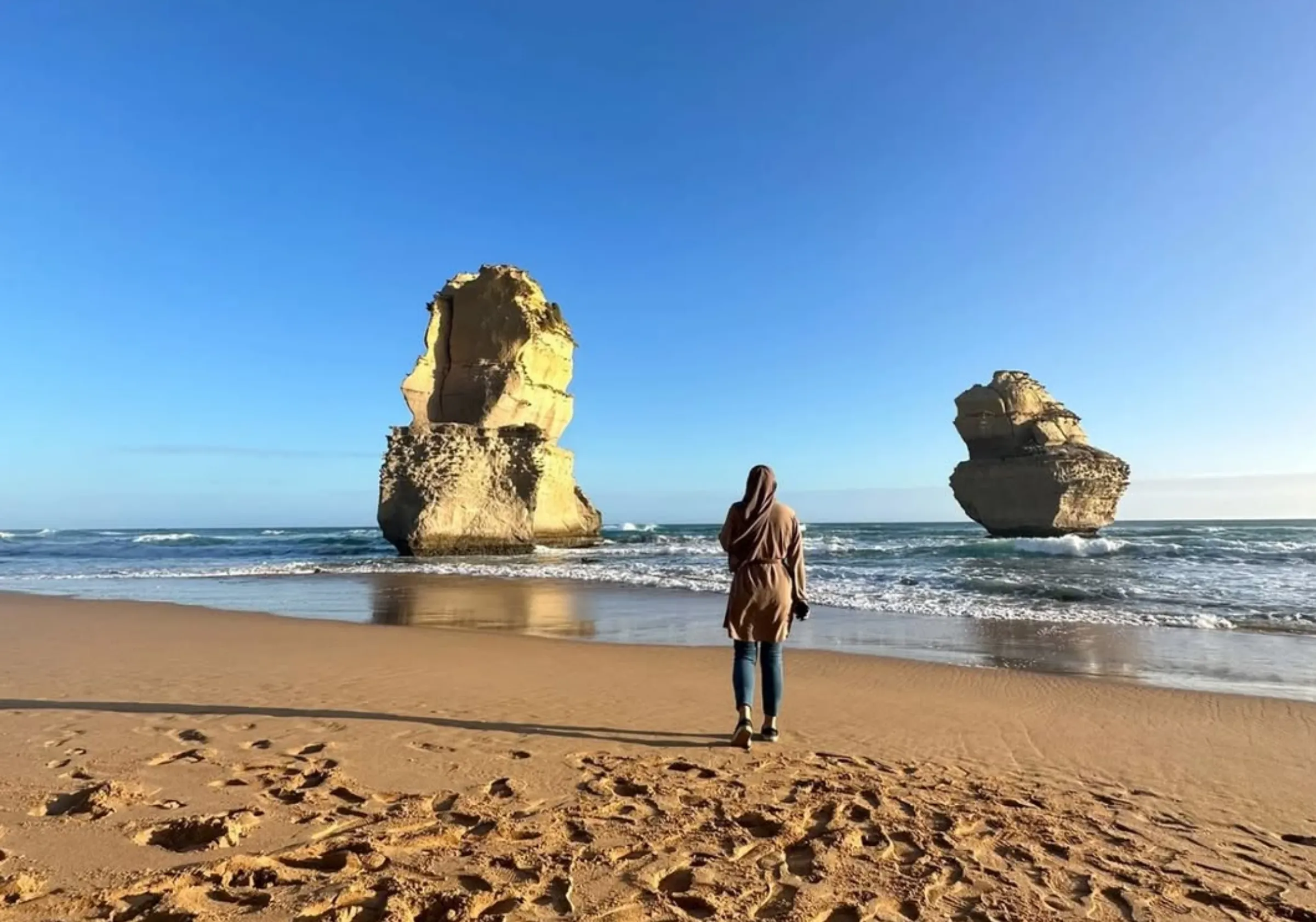
12 Apostles tour – one of the most famous stops on the Great Ocean Road where you can see the massive limestone stacks rising out of the ocean. One of the most photographed spots in Australia and a must see on any road trip. Nearby you can walk coastal views, rugged cliffs and walking tracks with panoramic views of the coast.
Reasons not to sleep in your car
- Fines & Penalties – Councils strictly enforce camping restrictions and fines for illegal camping can be up to AUD 100 to AUD 500.
- Safety – Parking in isolated or illegal areas can be dangerous especially on a road trip.
- Environmental Impact – Illegal camping can lead to littering, damage to natural habitats and disturbing wildlife.
- Public Facilities – Sleeping in a camp ground gives you access to amenities like toilets, showers, camp kitchens and drinking water.
- Weather – The Great Ocean Road can get heavy rain and cold weather so make sure you have the right camping gear and plan your trip intentions.
- Limited Mobile Reception – Some coastal towns and seaside towns may have limited mobile reception so it’s hard to get help if you need it.
Tips for a Safe Road Trip
- Plan Your Stops – Research campgrounds, camping sites and rest areas along your route before you leave.
- Book Ahead – Campsites can fill up quick especially in peak season.
- Follow Local Rules – Always check the signs and abide by local camping laws especially in day-visitor car parks.
- Leave No Trace – Dispose of waste responsibly and respect the environment.
- Stay Safe – Choose well lit and secure areas and lock your vehicle at night.
- Pack Proper Gear – Whether you prefer unpowered sites, a camping holiday or a camping experience with camp kitchens and picnic tables make sure you bring camping lights, cold drinks and warm clothes for cold weather.
- Explore Beyond the Road – The Great Ocean Road has many walking tracks and multi day hikes to explore ancient rainforest, beautiful beaches, panoramic views and rugged coastline.
- Alternative Accommodation – If campsites are full look for private campgrounds, farm stays or hostels in coastal towns.
- Be Weather Prepared – Heavy rain and changing weather can impact your 2 day Great Ocean Road tour so always have a backup plan.
- Pack Essentials – Bring enough food, drinking water and a first aid kit to make your trip smooth.
FAQ
Can I sleep in my car anywhere along the Great Ocean Road?
No, sleeping in your car is not allowed in most areas unless it’s a designated camping or rest area. Unauthorised camping will result in fines. Always check for the closest campsite to your destination.
Are there any free places to sleep in my car along the Great Ocean Road?
Some roadside rest stops allow overnight parking but most camping spots will cost a few dollars. Always check the local regulations before sleeping in your car.
What happens if I get caught sleeping in my car illegally?
If you get caught sleeping in your car in an illegal spot, you could get fined by the local council. Fines vary but can be between AUD 100 to AUD 500.
What are the best legal places to sleep in my car on the Great Ocean Road?
Caravan parks, designated camping spots and some national park campgrounds are the best legal options to sleep in your car. Some sites have beach access, views and service centre for extra convenience.
Is it safe to sleep in my car on the Great Ocean Road?
Sleeping in legal campgrounds and designated areas is generally safe. Sleeping in isolated or illegal spots can be risky so always choose well lit and secure spots near coastal views and drive from town locations.