Is the Timboon ‘Rail Trail’ something you can tackle in a day? Well, yes – but only if you’re reasonably fit, well organised, and ready for a long, steady slog. The full round trip from Timboon to Camperdown and back clocks in at about 34km, a distance that equates to around 8-10 hours on foot, ignoring the chances of needed breaks and the inevitable flagging of pace in the final stretch.
I’m Paul, and I’m not beating around the bush – most people can technically do it – but the honest truth is that many people don’t necessarily end up enjoying the experience of doing it in one go. This isn’t a soul-stirring, mount-topping adventure – it’s more of a grind, a distance-based test of endurance. And let me tell you, distance has a knack for humbling even the most confident of travellers, especially those trying to fit in the Timboon Rail Trail as an afterthought on a whirlwind Great Ocean Road trip from Melbourne, thinking ‘oh, we’ll just pop that in’.
Contents
- 1 What the Trail is Really Like On Our Feet
- 2 Distance, Timing & Why Flat Isn’t Easy
- 3 Common Mistakes That Cost You Later
- 4 How To Get It Right The First Time
- 5 A More Realistic Way To Approach A Full-Day Walk
- 6 Safety And Physical Reality
- 7 How Seasons Change The Experience
- 8 Expectation Vs Reality
- 9 If You Only Have One Day — Here’s What I’ll Actually Do
- 10 Who This Walk Suits
- 11 Costs – What You’ll Actually Need To Splurge
- 12 My Honest Take After Years On Trails
- 13 Final Word: Walk Smart, Not Just Far
- 14 FAQ
- 14.1 Is the whole walk something even the average person can tackle without training?
- 14.2 Can you just do part of the trail instead of the whole thing?
- 14.3 Is the track easy to follow?
- 14.4 Are there any decent facilities along the way?
- 14.5 Is walking the better option here, or does cycling have the edge?
What the Trail is Really Like On Our Feet
On paper, this seems an absolute doddle. Old railway line – flat, wide, no worries. But trust me, walking it is a whole different story – it’s just so long and repetitive, with the kilometres piling up faster than you think.
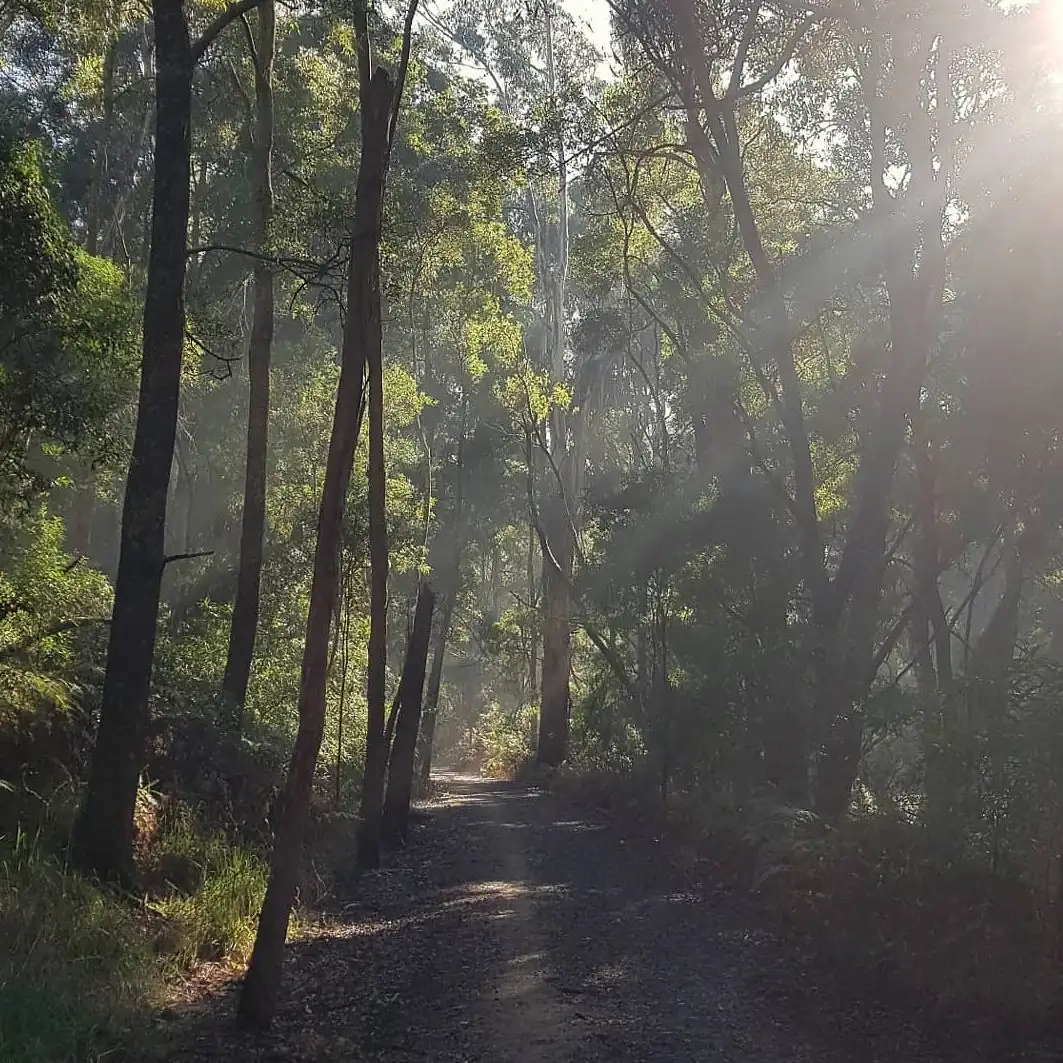
The trail cuts inland from the coast, taking you through some gorgeous bits of the Timboon area. You’ll pass through farmland, patches of native scrub, and some really scenic dips into temperate forest gullies. The only sound you hear is the rustle of leaves and the crunch of gravel – no crowds, no constant landmarks, just a steady, steady plod.
It starts off feeling pretty cruisy in the early stages, with you strolling past bits of old railway infrastructure and thinking “piece of cake”. But fast-forward a few hours, and the novelty wears off. That’s when the real challenge begins – and it’s not the actual walking itself, it’s just the sheer consistency of it.
Distance, Timing & Why Flat Isn’t Easy
Let’s take a closer look at this – because this is exactly where most people go wrong.
| Section | Distance | Realistic Time | Difficulty | What You’ll Notice |
|---|---|---|---|---|
| Timboon to early trail sections | 5–8 km | 1.5–2 hrs | Easy | Open farmland, gentle start |
| Mid-trial stretches | 8–12 km | 2–3 hrs | Moderate | Long straights, mental fatigue |
| Approaching Camperdown | 5–7 km | 1.5–2 hrs | Moderate | Subtle rise, views towards volcanic lakes |
| Full return walk | ~34 km | 8–10+ hrs | Hard | Foot soreness, pacing matters |
Those time estimates rely on a steady walking pace of around 4 to 5 klm per hour, with a few short breaks and decent weather. But add heat, wind, or a bunch of stops, and you can easily find yourself well over 10 hours.
One thing I’ve learned running tours and walks across Australia – people always underestimate how draining repetition can be. Just because there are no hills doesn’t mean it’s going to be a walk in the park.
Common Mistakes That Cost You Later

Running these trails across Australia – I’ve seen this one catch people out in pretty predictable ways, especially those coming off a day trip along the Great Ocean Road from Melbourne and thinking they’ll just ‘stretch their legs’.
It’s the small misjudgements that are the biggest mistakes – not the dramatic ones. They all add up:
- Chasing daylight by starting too late
- Not bringing enough water with you
- Wearing runners that are alright for 5k, but totally uncomfy for 25k
- Assuming there’ll be places to stop and rest or decent facilities
- Not even thinking about how you’re going to get back
I once had the joy of watching a couple who were about 20k into their trek, sitting on the side of the track, seriously re-evaluating their life choices. They weren’t unfit, just a bit under-prepared.
How To Get It Right The First Time
The logistics of getting to this place are simple if you just think about them ahead of time. The trail is inland from the coast, roughly 3 hours from Melbourne. Most people pass through it as part of a larger trip along the Great Ocean Road, often linking it to coastal stops or turning it into a longer drive around the region.
Access Points That Actually Work For You
- Timboon: This is the best place to start, with plenty of parking and an easy entry point
- Camperdown: Perfect for finishing your one-way trip – a bit closer to some basic facilities
If you are doing the whole trail on foot and heading back the same way, then Timboon is probably the place to start and finish. But if you are smart, you’ll plan a one-way!
Getting A Lift When Your Legs Give Up
- Car shuffle with a second vehicle on hand
- Sorted out ahead of time pickup
- Support from local operators can be a lifesaver
Groups who book a tour with a company like Great Ocean Road Trips often figure out the return journey for you – and it makes the whole experience a lot less stressful.
A More Realistic Way To Approach A Full-Day Walk
If you’re dead set on doing the full distance, here’s the way a day actually goes down.
You start fresh, no worries. Your first 10 kms just fly by. You’re chatting, taking snaps, and thinking you’re doing a heck of a lot better than you actually are.
But by the time you’re 15-20kms in, things start to change. Your pace drops off a bit, your breaks get longer, and your poor feet are starting to notice the gravel.
At 25kms, it’s all about the mental game. Every kilometre feels like a marathon.
By the time you hit 30kms+, you’re basically just crawling to the end of the track. Not having a leisurely look around – just trying to finish the thing.
That’s the real lowdown.
Safety And Physical Reality
This isn’t some remote bushwalk where you’re miles from nowhere – but it still demands respect.
There’s no regular water stop, no frequent loo breaks, and not much shade to speak of in some parts. The biggest risks aren’t dramatic disasters – they’re just gradual.
Hydration is the main one. Underestimating how much water you need is the quickest way to ruin your day. And don’t be fooled – the heat can build up in a hurry, even when it doesn’t feel like it’s getting that hot.
Then there’s foot fatigue. Gravel tracks are a constant thump, thump, thump. If your shoes aren’t up to it, you’ll feel it early, and it’ll just get worse with every step.
And don’t count on your phone for navigation – the reception can drop out in places. The track is easy to follow, but you can’t rely on that phone of yours to get you where you need to go.
How Seasons Change The Experience
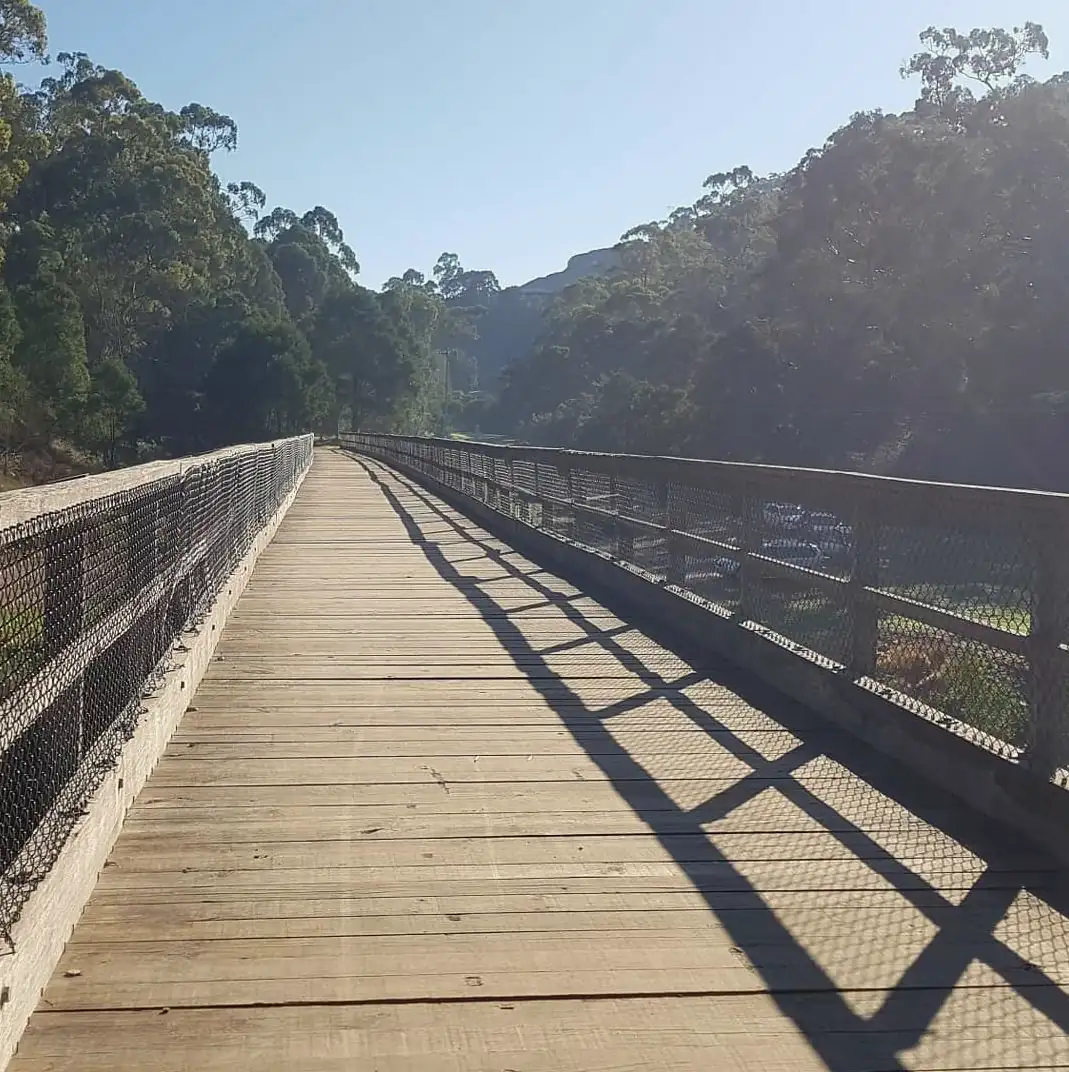
This trail behaves differently depending on when you do it – and it’s not just about how hot or cold it is.
Autumn is the pick of the bunch – the air is crisper, the ground is firm, and you can keep a steady pace.
Spring is nice too – everything is coming back to life, and it’s all looking pretty green and fresh. But it also means the track can get a bit muddy after a bit of rain, which slows you down a fair bit.
Summer is when people start to struggle. Some parts of the track are exposed to the sun, and the heat builds over time. You don’t feel it straight away – but by the second half of the walk, it’s really starting to hit.
And winter? Well, it shortens your day. With less daylight, you’ve got less wiggle room for mistakes. And to top it all off, there’s mud and water all over the place.
Expectation Vs Reality
| Expectation | Reality |
|---|---|
| Easy because it’s flat | Long and repetitive |
| Scenic the whole way | Quiet, subtle landscapes |
| Quick day activity | Full-day commitment |
| Plenty of facilities | Almost none on track |
| Relaxing walk | Endurance effort by the end |
If You Only Have One Day — Here’s What I’ll Actually Do
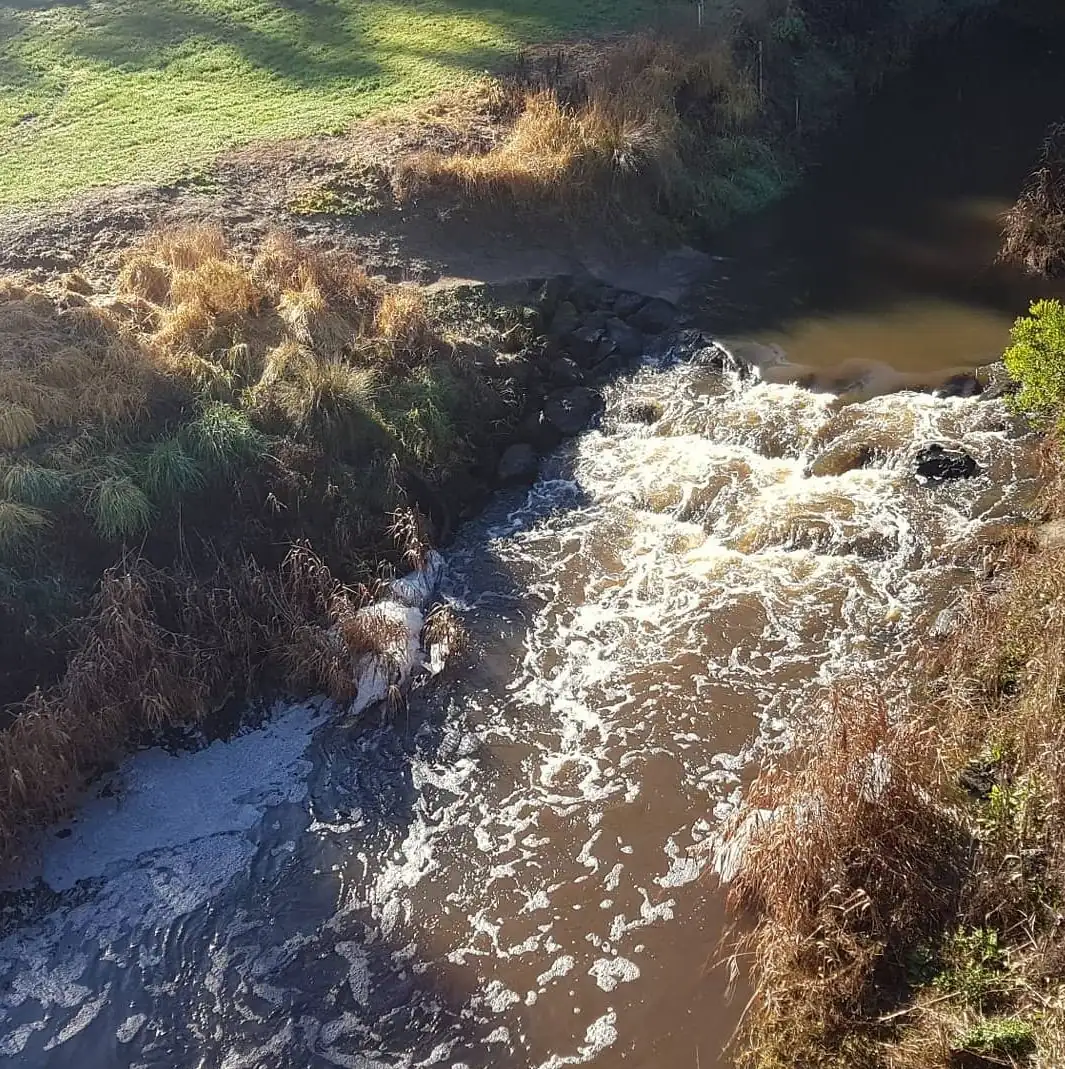
If your time is restricted – like most of us do when we’re only able to do a day trip on the Great Ocean Road – forget trying to tackle the whole thing. Just kidding – you’ll never achieve that – try walking a bit of it instead.
- Choose to tackle 5-10 km out and back from Timboon, and you’ll still get a great sense of the trail & the surrounding area
- You’ll pick up on the rhythm of being on the track
- You’ll discover pockets of native bush to explore
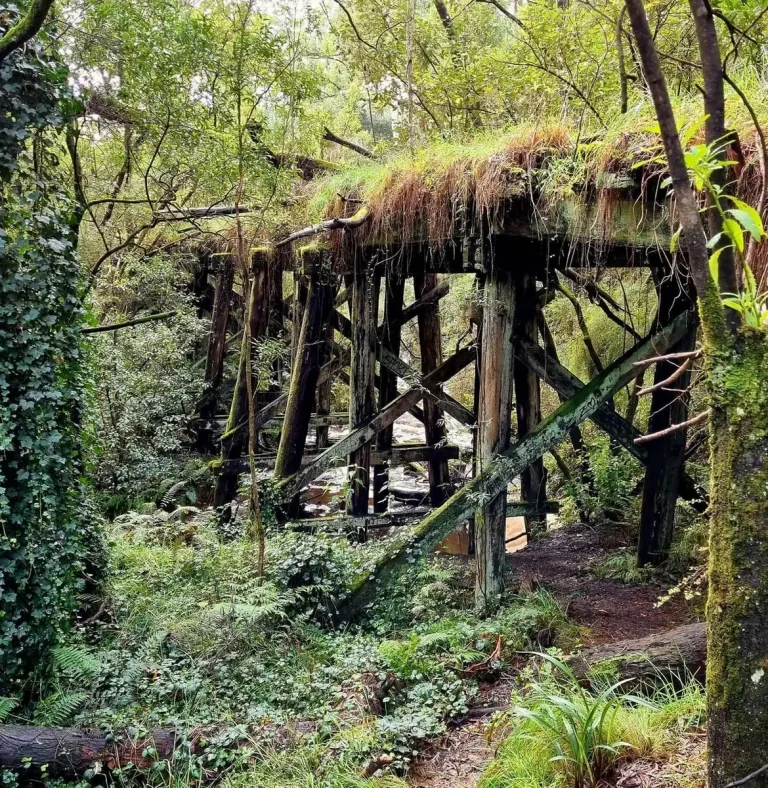
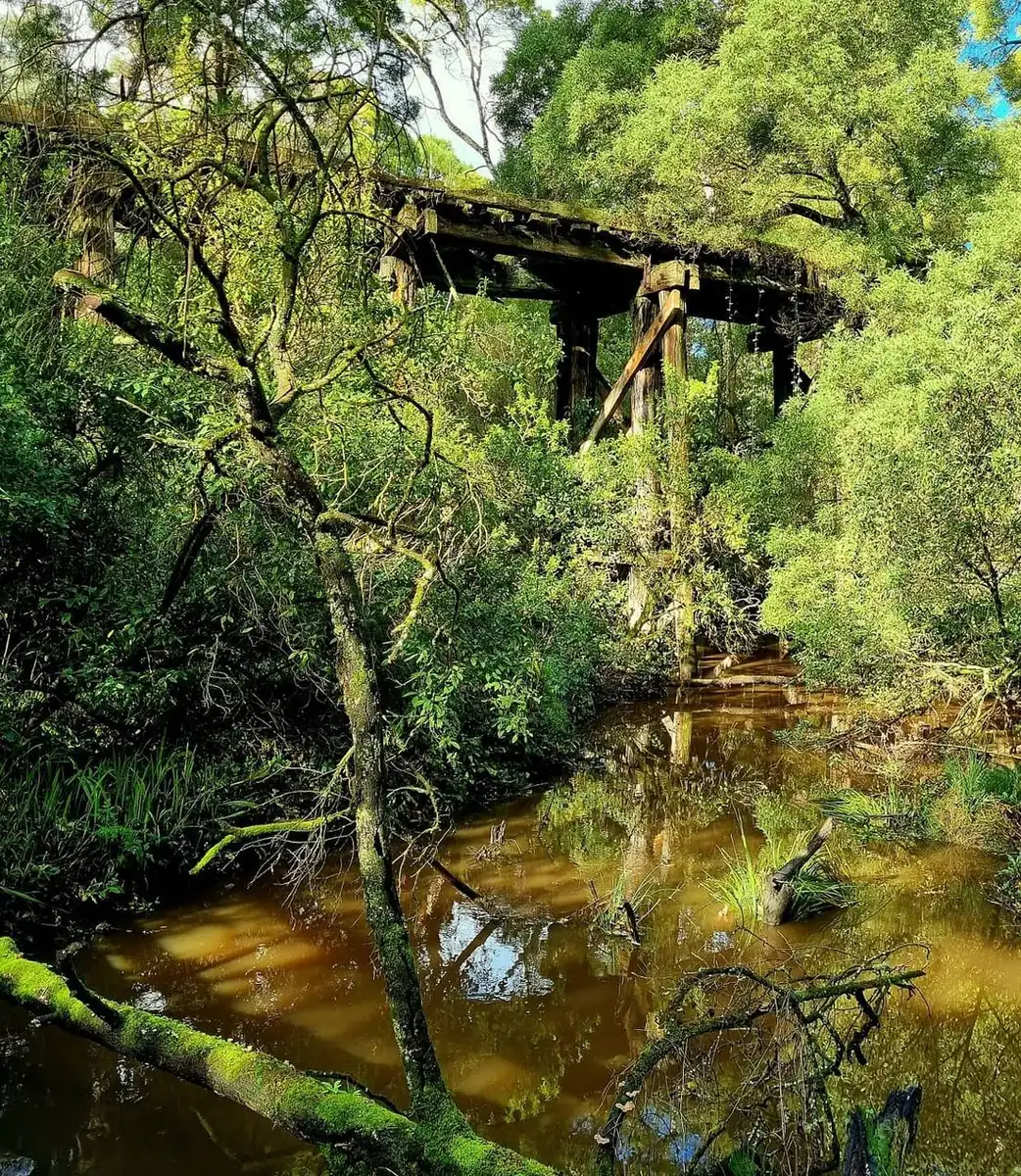
- You’ll get a glimpse of the early rail days, particularly the smaller trestle sections
Then – just stop – have a decent break. Eat something proper. Have a look around the region. The Timboon area is known for its local produce – and trust me, you’ll appreciate it a lot more with some energy left in your tank.
Who This Walk Suits
This walk isn’t some casual amble. It looks a lot easier online than it actually is.
The people who’ll be okay with this are:
- Regular walkers who know what they’re getting themselves into
- People who enjoy long days outdoors and don’t mind a bit of repetition
- Anyone who’s up for a steady day and doesn’t need constant visual highlights
On the other hand:
- Don’t even think about it if you’re a beginner
- Families wanting to tackle the whole thing – you’ll be pushing your luck trying to finish the whole thing
- If you’re short on time, then just give it a miss
- If you’re expecting a visual feast, then you’re going to be disappointed – there are a lot of areas that are pretty much the same.
If you’re still unsure, then think about popping on a bike instead. Loads of people tackle this trail on two wheels – often using an electric bike to make it a bit smoother. It’s really a lot more fun that way.
Costs – What You’ll Actually Need To Splurge
It’s not expensive to do this, but a few things start to add up:
- Fuel from Melbourne: around $50-$90 return, depending on your car and how bad you are at getting a good price on petrol
- Chucking some cash down in Timboon for food and drinks: about $20-$40 per head, so you’ll need to factor that in
- If you’re planning on getting a transfer or support for part of the trip, then that’s going to add another $50-$150
- If you end up hiring a bike instead, then you’re looking at around $60-$100
The good news is that there are no permits or entry fees to worry about – just your own planning.
My Honest Take After Years On Trails
You can definitely walk the full Timboon Rail Trail in a day if you want to, but the question is – do you really need to? If you’re after a physical challenge, then fair enough – you’ll get one. But if you’re after a good day out – I reckon there’s a better way to do it. As someone who works with loads of travellers on the Great Ocean Road, the best trips are the ones where you don’t try to cram everything in and just leave enough space to actually enjoy it.
Final Word: Walk Smart, Not Just Far
If you go all in, start early, plan out your route properly, and then be prepared for the final bit to kick your butt.
If you’d rather make it a nice day out, take it easy and break it up. Walk a section of the trail, or better yet, combine it with a spot of coastal scenery. And don’t forget to treat yourself to a decent meal at the end of it.
Because no one remembers how quickly they finished a rail trail – they remember how the whole day made them feel.
FAQ
Is the whole walk something even the average person can tackle without training?
To be honest, no. For most people, a solid level of fitness and a bit of experience with long-distance walking is pretty much a must.
Can you just do part of the trail instead of the whole thing?
Yeah, and that’s probably a better option than trying to tackle the lot in one go. Even a shorter section will still give you a real taste of the trail.
Is the track easy to follow?
Absolutely – it’s well-marked and sticks to the old railway line like glue.
Are there any decent facilities along the way?
Sorry to say it, but no, you’ll need to be pretty self-sufficient until you finally reach the end.
Is walking the better option here, or does cycling have the edge?
Walking will give you a more relaxed pace, but if you’re looking to cover the whole distance at a reasonable speed, then cycling is probably the way to go.